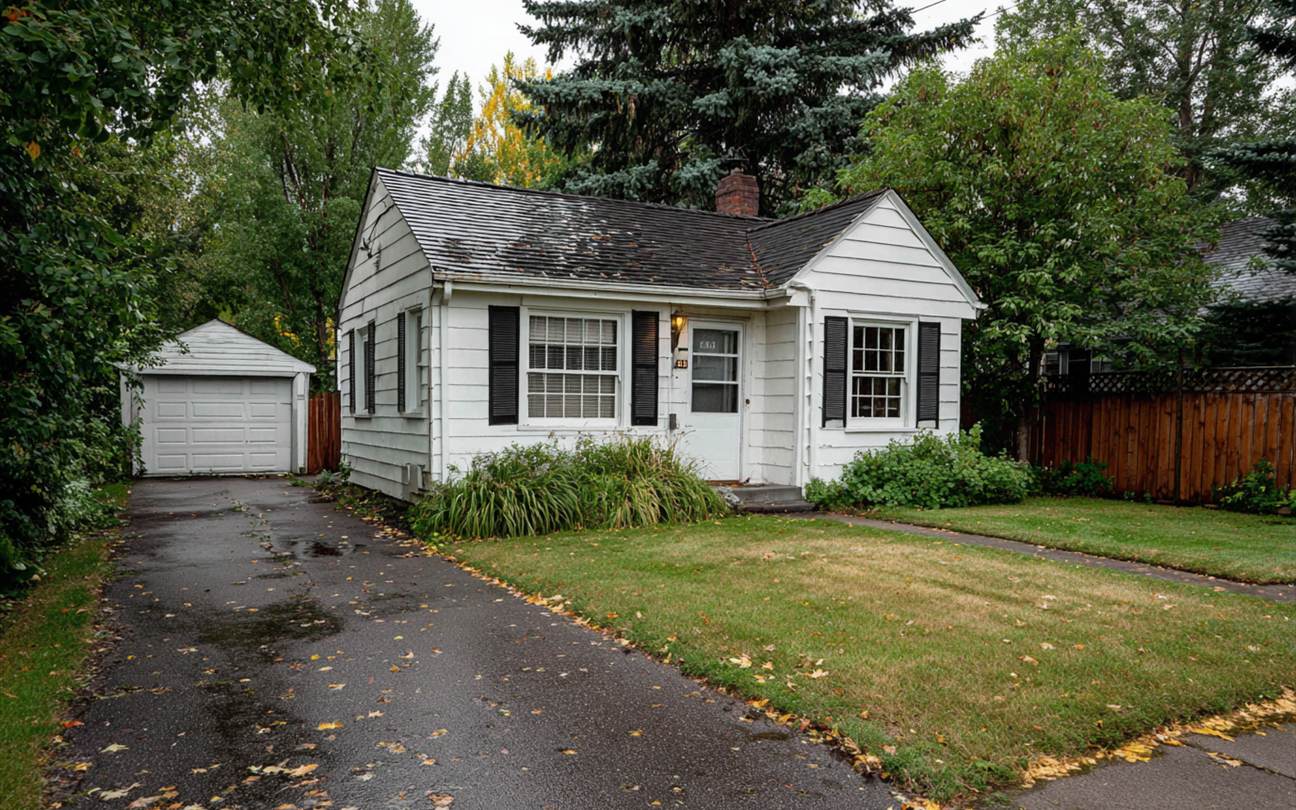
Bottom line: the tenant reports it in writing, the owner or manager arranges the work, and everyone keeps records. About half of Bremerton's homes are rented, and around the shipyard and the naval base, renters come and go often. When water damage hits a rental, the work is the same as in any house, but there are more people involved. Knowing who usually does what keeps things moving. This is general information, not legal advice; the lease, the insurance policies and Washington's Residential Landlord-Tenant Act (RCW 59.18) set the details.
Who Usually Does What
| Who | Usually responsible for |
|---|---|
| Tenant | Reporting promptly in writing, protecting their own belongings, allowing reasonable access for repairs |
| Owner or landlord | Arranging and approving the restoration, the building's insurance, keeping the tenant informed |
| Property manager | Acting for the owner: booking the company, access, records |
| Owner's insurer | The building, under the owner's policy |
| Tenant's insurer | The tenant's belongings and sometimes temporary housing, under a renter's policy |
For Tenants
- Stop the water if you safely can, at the fixture's valve or the main.
- Report it in writing right away, by email or text, with the date, what you saw and photos.
- Move your belongings away from the water and unplug anything nearby.
- Keep a copy of what you sent and any replies.
- Allow access for the company to inspect and dry.
If you have renter's insurance, report it to your insurer for your own belongings.
For Owners and Managers
- Get the water stopped and the drying started; don't wait for paperwork.
- Tell the tenant in writing what's happening, when the company is coming and whether rooms will be off-limits.
- Report to your insurer and keep the claim number.
- Keep records: photos, dates, the scope, moisture readings and invoices.
- Plan access for repeat visits while the equipment runs.
When the Owner Is Away
Many Bremerton-area rentals belong to owners who are stationed elsewhere or deployed. A local property manager or a trusted contact makes a big difference: someone who can shut the water off, let the company in and send photos. Ask the company for readings and photos at each visit, so you can follow the job from a distance.
Duplexes and Small Buildings
In a duplex or small apartment building, water from one unit often reaches another. The drying has to cover every wet unit, and the owner or manager usually coordinates access. Neighbors should know the equipment is loud and runs day and night.
Common Friction Points
- Timing. Tenants want repairs fast; owners need insurance and scheduling. Starting the drying right away keeps damage from growing while the rest gets sorted.
- Belongings. The building's policy covers the building; the tenant's belongings are the tenant's.
- Living conditions. If a unit isn't livable during repairs, the lease and the insurance decide what happens. The Attorney General's office has general information on landlord-tenant rules in Washington.
Photos From Both Sides
Tenants and owners should each keep their own photos. The tenant's photos show what happened and what belongings were affected. The owner's photos show the building and the repairs. When both sides keep a record, questions later are easier to answer and much less tense.
Military Moves
Around Bremerton, leases often end on short notice when orders come through. Owners and tenants both benefit from a quick walk-through before keys change hands: under sinks, around toilets, the water heater and ceilings under bathrooms. A leak found at move-out is much easier to sort out than one found weeks later by the next tenant.
Small Leaks Count Too
A dripping supply line under a sink or a toilet that rocks may not seem worth reporting. Report it anyway, in writing. Small leaks become soft subfloors and stained ceilings, and a written report protects the tenant and helps the owner fix it cheaply.
Renter's Insurance
Tenants without renter's insurance usually have no coverage for their own belongings after a leak. It's inexpensive and worth having in a city where so many homes are rented.
Questions
The tenant didn't report it for weeks. What now?
Get the water stopped and the drying started first. The question of when it should have been reported can be sorted out later with the lease and the insurer.
Should the tenant hire the restoration company?
A tenant usually shouldn't authorize work on a building they don't own. Report to the landlord first, in writing.
Who pays if the leak came from the tenant's washer?
It depends on the lease, the cause and the policies. Dry the place first; the insurers and the lease can sort out the rest.
Around the Peninsula
Rentals are a big share of homes in downtown Bremerton, Rocky Point and Port Orchard. The full page: rental and vacant homes.
Attorney General's landlord-tenant guide
An Empty House Between Tenants or Orders
Check-ins, shutoffs and what to do when you're far away.
What the Moisture Numbers Mean
Reading a drying log without a background in it.