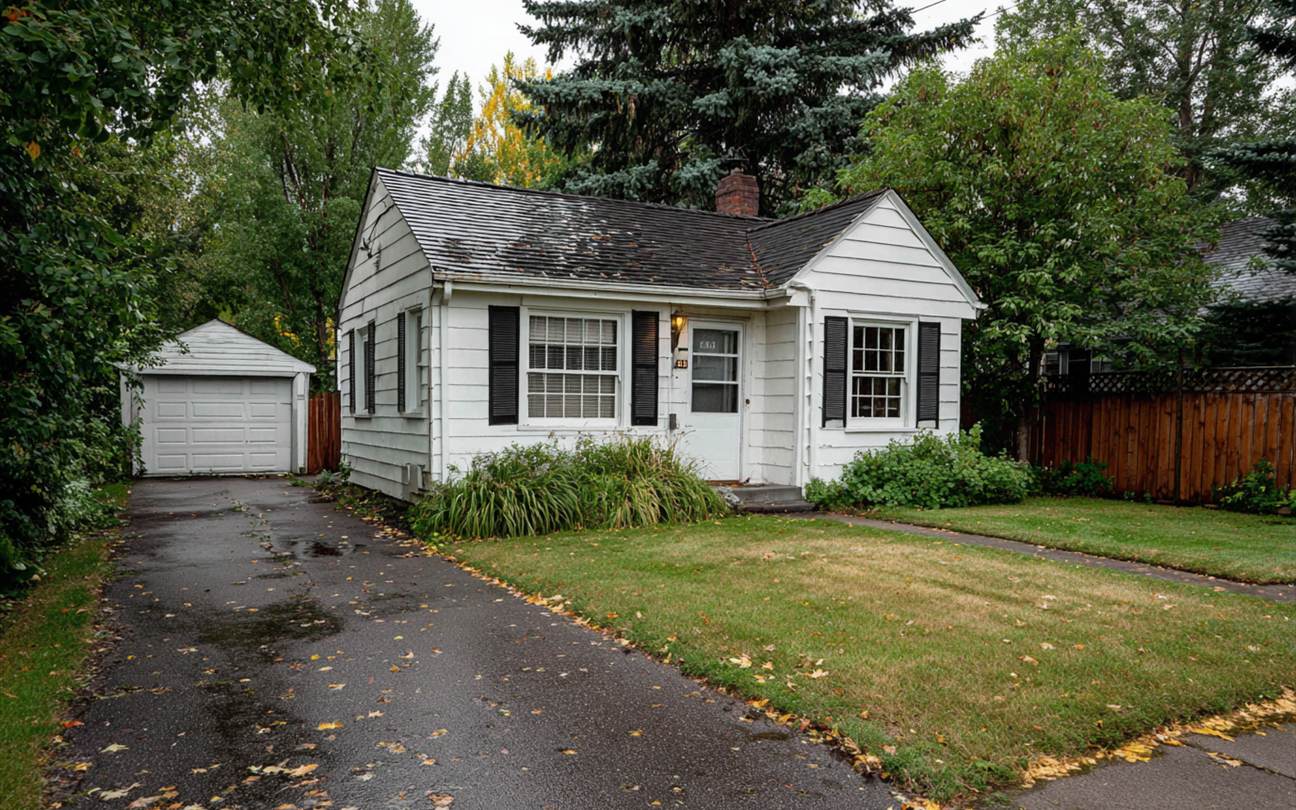
Water Damage in Rentals and Vacant Homes
Bottom line: in a rental, the owner or manager arranges the restoration, and the tenant's first job is to report it in writing. Bremerton is about half renters, with many homes tied to shipyard and base jobs, frequent moves and houses that sit empty for weeks between tenants or while an owner is deployed. Water damage in those houses tends to be found later and spread further. That makes clear roles and a quick start more important than in an owner-occupied home.
Who Usually Handles What
Treat this as background only, not legal advice. The lease, the policies and Washington's Residential Landlord-Tenant Act (RCW 59.18) decide the details.
| Person | Usually responsible for |
|---|---|
| Owner or landlord | Arranging and approving restoration, the building's insurance, keeping the tenant informed |
| Property manager | Acting for the owner: hiring the company, access, records |
| Tenant | Reporting the leak promptly in writing, protecting their own belongings, allowing access |
| Renter's insurance | The tenant's belongings and, sometimes, temporary housing |
More: owner, landlord, tenant: who handles a leak in a Kitsap rental.
Washington's landlord-tenant law (RCW 59.18)
An Empty House
A leak in an empty house runs until someone notices, so the check-ins matter more than anything. A split pipe or failed water heater in an occupied home gets caught in minutes. In a house that's empty between tenants, listed for sale or left while the owner is on orders, it can run for days and reach more than one floor. Arrange regular check-ins, especially after a cold snap or a big storm. Make sure whoever checks knows where the main shutoff is. For a long absence in winter, many owners shut the water off at the main and leave the heat on low. More: an empty house between tenants or orders.
For Owners and Managers
- Stop the water or have the tenant stop it at the valve if they can.
- Set the drying going in every wet room now; paperwork can catch up.
- Tell the tenant in writing what's happening, when the company will come, and whether rooms will be unusable.
- Report it to your insurer and keep the claim number.
- Keep records: photos, dates, the scope, the moisture readings, invoices.
- Plan for access: drying equipment runs for days, and the company will come back several times.
For Tenants
Put it in writing to whoever manages the place, today: a text or email with the date, a sentence on what happened, and a few pictures. Then get your belongings off the wet floor and pull plugs near the water. If you can reach a valve without wading through water, turn it off. The landlord usually arranges the restoration work; a renter's policy, if you have one, covers your belongings.
Duplexes and Small Apartment Buildings
Many Bremerton rentals are duplexes, triplexes and small older apartment buildings. A leak in one unit often reaches the one below or beside it. Drying has to cover every wet unit, and the owner or manager usually coordinates access. Tell the neighbors what to expect, since the equipment is loud and runs day and night.
Houses for Sale
A house on the market is often empty, staged, and checked only at showings. A leak in a listed house can run between showings and be found by a buyer's agent. If you're selling, have someone walk it weekly and after storms or freezes, keep the heat on, and know where the main shutoff is. If water damage does happen during a sale, get it dried properly and keep the records. Washington's seller disclosure asks about water damage, and a documented, dried repair is a far easier conversation than a hidden one.
Between Tenants
The gap between one lease and the next is the best time to find small leaks before they grow. Look under every sink for drips or swollen cabinet bottoms, rock each toilet gently, check the base of the water heater, and look at ceilings under bathrooms. A slow leak found during turnover costs far less than one found after the new tenant has moved in.
When a Unit Can't Be Lived In
Some water jobs make a unit unusable for a while, especially when a bathroom or kitchen is torn out or equipment fills the rooms. The lease, the landlord's policy and the tenant's renter's insurance decide who covers temporary housing. Sort that out early, in writing, so the drying isn't delayed.
Keys and Access
Whoever manages the house should keep a spare key and the alarm code where the company can get them. Drying runs for days, and missed visits slow the job down.
Neighbors as Early Warning
In a duplex or on a quiet street, neighbors are often the first to notice trouble at an empty house: water running from a downspout that shouldn't be, a light left on, condensation on the windows. Leave them a number to text.
The House Is Mine but I'm Stationed Elsewhere. What Can I Do From Away?
Have a local property manager, friend or neighbor stop the water and let the company in. Ask the company for photos and the moisture readings at each visit, and keep copies for your insurer.
Does the Tenant Have to Leave While It Dries?
Sometimes, if a bedroom or bathroom can't be used or the equipment makes a unit unlivable. The lease, the insurance and the landlord decide. General information on Washington landlord-tenant rules is on the Attorney General's site.
Rentals and Empty Homes Around the Peninsula
The Narrows and Sinclair Inlet
- Downtown BremertonSinclair Inlet
- ManetteThe Narrows
- West BremertonSinclair Inlet
- Navy Yard CitySinclair Inlet
- Port OrchardSinclair Inlet
- GorstSinclair Inlet
Dyes Inlet
- Sheridan ParkThe Narrows
- Rocky PointDyes Inlet
- Kitsap LakeDyes Inlet
- IllaheeDyes Inlet
- SilverdaleDyes Inlet
- TracytonDyes Inlet
- ChicoDyes Inlet
The Sound side: Manchester
Liberty Bay
Hood Canal
Water through a shared ceiling: ceiling and wall leaks.