Bottom line: drying is finished when the wet materials read the same as the dry ones, and the log is how you know. Every water job on the peninsula should come with numbers: readings from wet materials, readings from dry ones, and readings from the air. They can look like a jumble at first. Once you know what each column means, the log tells you exactly where the job stands.
The Three Kinds of Readings
| Reading | Taken from | What it tells you |
|---|---|---|
| Wet readings | Drywall, wood, subfloor, concrete in the affected area | How much water is still in the material |
| Dry targets (reference readings) | Matching materials in an untouched room | Your house's own definition of dry |
| Air readings | Temperature and relative humidity in the drying area (sometimes outside too) | Whether the air can still take more water out of the materials |
Why Dry Targets Matter
Meters don't share a scale, and fir, gypsum and concrete each settle at their own "dry" number. A lone reading tells you little. Pair it with the same material in an untouched room of the same house; when the two agree, that piece is done.
What a Good Log Shows
- The same spots measured each visit, marked on a sketch or with photos
- Wet readings falling visit by visit
- Dry targets noted at the start
- Air readings showing the dehumidifiers are working
- Equipment changes as some areas finish and others lag
- A final set of readings before anything is closed up
When the Numbers Stall
If wet readings stop falling, something has changed:
- A leak is still running. The source wasn't fully stopped, or there's a second one.
- A space isn't getting air. A closed cavity or a cabinet base needs opening.
- The air is too damp. Dehumidifiers may be full, too small or fighting outside air through an open door.
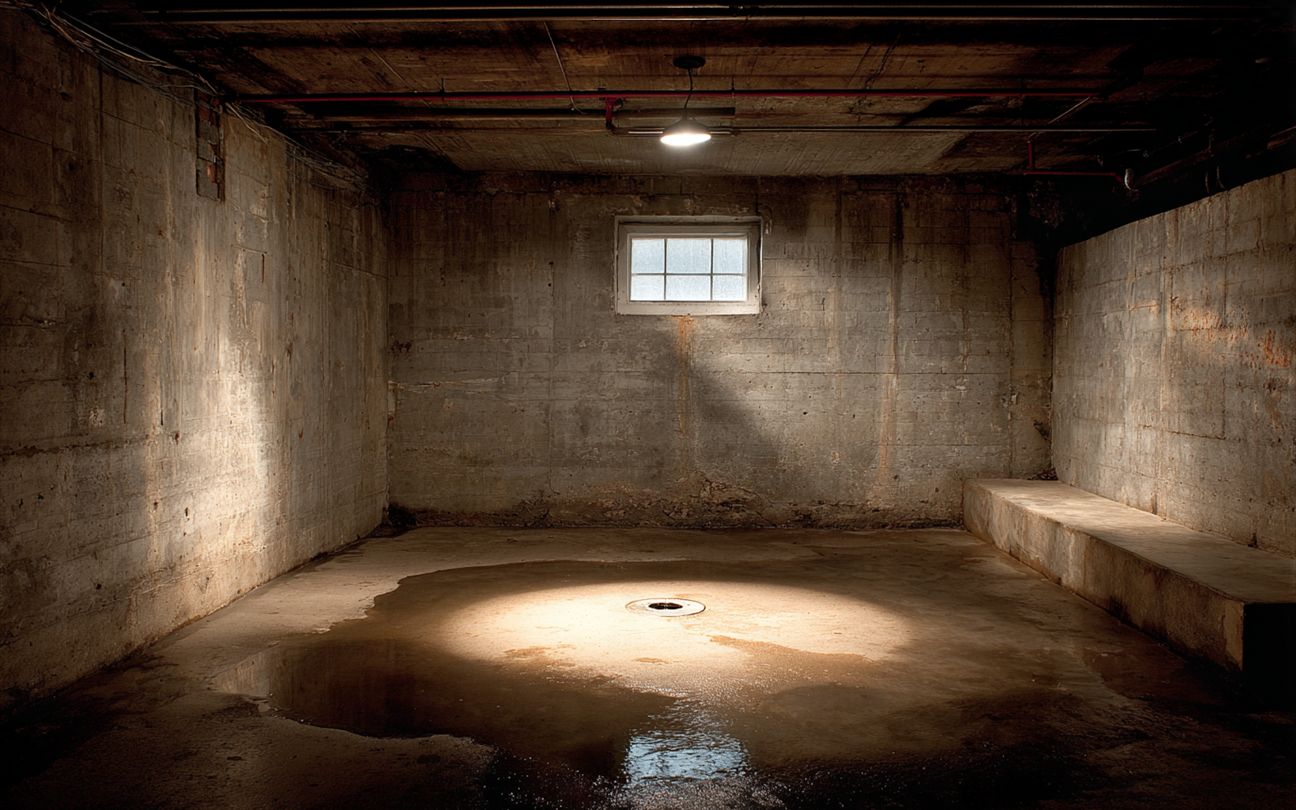
- Ground water. In basements and crawlspaces, wet soil keeps feeding moisture.
A good company explains what it's changing and why.
Air Readings in a Kitsap Winter
Outside air on the peninsula in winter is often close to saturated, so drying depends on keeping the house closed and the dehumidifiers ahead of it. If air readings in the drying area stay high, the equipment isn't winning. Heat helps, because warmer air holds more water.
Keep the Log
Ask for a copy of the moisture log at the end of the job. Your insurer may want it. If you ever sell the house, it shows the walls and floors were dry before they were closed. And if a stain ever shows up again, it gives the next person a starting point.
Readings in Older Materials
Plaster, old-growth fir and masonry read differently from modern drywall and lumber, which is another reason the dry targets have to come from the same house. In a shipyard-era home, a company should take reference readings from the same kind of plaster or wood in a dry room, not from a chart.
A Sample Day-by-Day
A clean-water leak on a single floor might look like this: day one, wet readings far above the dry targets; day two, falling fast as extraction and air movers do their work; day three, close to the targets on drywall, slower on wood; day four, everything at the targets except one corner, where a hidden cavity needed opening. That's the kind of story a good log tells.
When to Close the Walls
The moment the last wet reading meets its dry target is the moment rebuilding can start. Closing a wall or laying a floor before then traps moisture inside. Ask the company to show you the final readings before anything goes back up, and keep a copy with your records.
Photos With the Numbers
The most useful logs pair each reading with a photo of where it was taken, often with the meter in the shot. Months later, that makes it easy to see exactly which wall or floor was measured.
Questions
Can I check the numbers myself?
Inexpensive meters will tell you whether something is wet. Mapping a whole job and comparing against proper dry targets takes better tools and training.
How long until the readings match?
Often three to five days for clean-water leaks caught early. Basements, crawlspaces, hardwood and wall cavities can take longer, and damp winters slow everything.
What if the company doesn't give me readings?
Ask. Companies that measure moisture keep a log, and you should be able to see what was recorded about your house.
Around the Peninsula
Measured drying matters everywhere, from new homes in Silverdale and Poulsbo to rentals in Port Orchard. Everything from extraction to rebuild is on restoration and mitigation.
Washington L&I: verify a contractor before work starts
Dry It in Place or Tear It Out?
How the decision gets made, material by material.
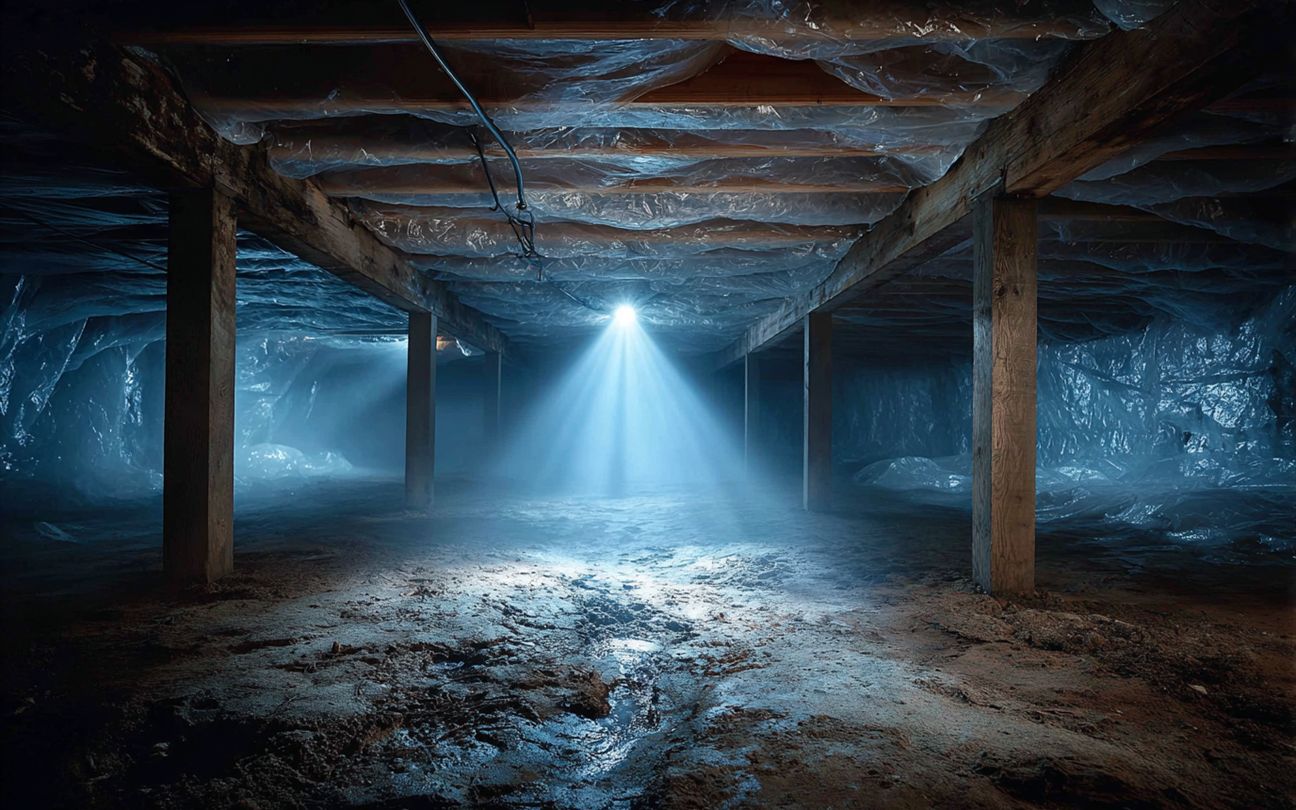
Crawlspace Vents, Vapor Barriers and Winter Humidity
What's happening under the floor.