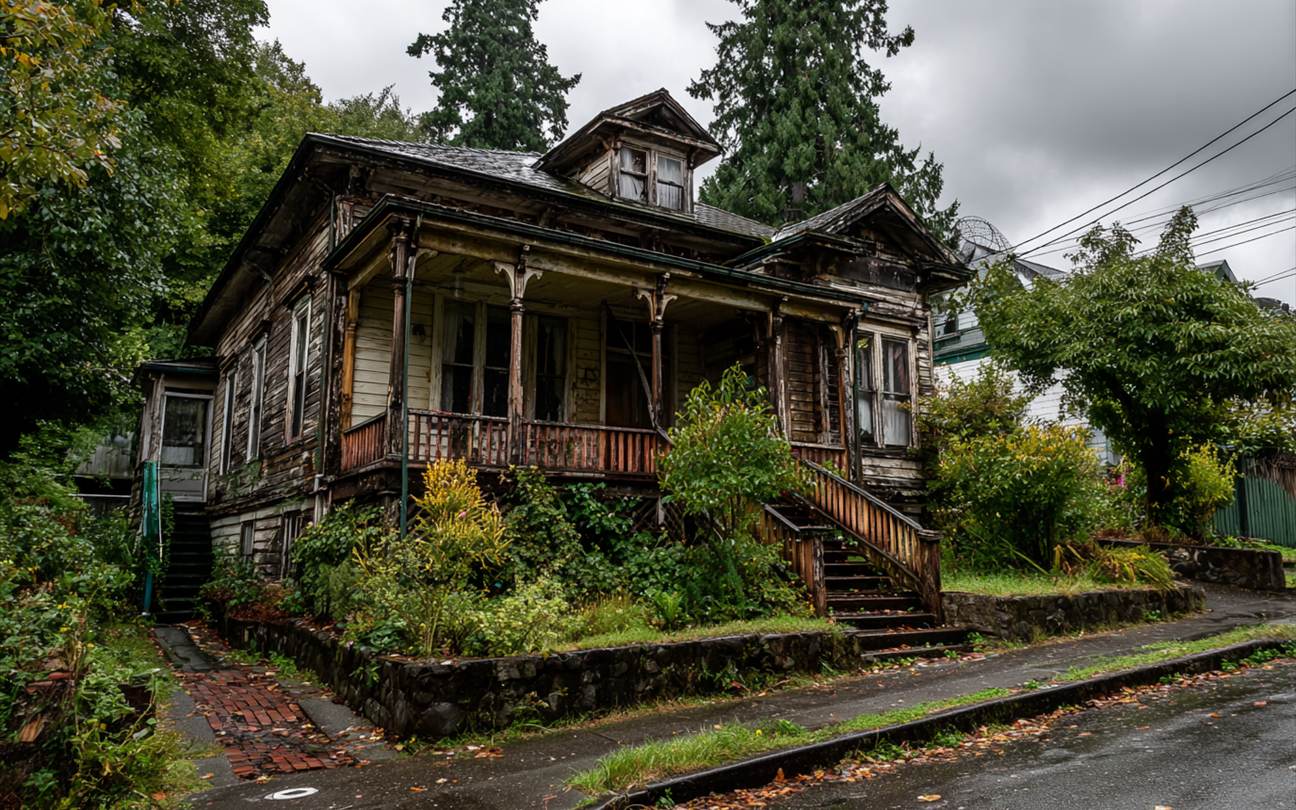
Bottom line: in an older Bremerton house, the first leak is often a warning about the rest of the plumbing. Bremerton grew fast around the Navy yard. It annexed Manette in 1918 and the town of Charleston, now West Bremerton, in 1927, and housing went up quickly through the busy decades that followed. Many of those houses are still standing, on hillside streets around downtown and across the Narrows. They have character, and they have plumbing that's been patched, rerouted and added to for decades.
What's Usually Behind the Walls
| Feature | Why it matters for water damage |
|---|---|
| Galvanized steel supply lines | Corrode from the inside; pressure drops and pinhole leaks appear, often in walls and floors |
| Mixed repairs | Copper, plastic and galvanized spliced together; every joint is a place to fail |
| Cast-iron drains | Crack or corrode at joints, leaking slowly under floors |
| Plaster and lath | Holds up to a short wetting, but the lath soaks water and plaster can come loose |
| Full basements or daylight lower floors | Take ground water in long rains; collect water from leaks above |
| Old fir and oak floors | Worth saving when caught early |
Not every older house has all of these, and many have been updated. But when a leak shows up, it's worth knowing what kind of plumbing you're dealing with.
Signs to Watch
- Low water pressure that's gotten worse over time, often a sign of corroded galvanized lines
- Rusty or brown water when a tap first opens
- Damp spots on a basement ceiling or wall with no obvious source
- Stains on ceilings under bathrooms
- A water bill that climbs without a change in use
When One Leak Appears
A single pinhole in an old galvanized line rarely means the rest of the line is healthy. After the water damage is handled, it's worth having the visible plumbing looked at and planning replacement rather than chasing leaks one at a time. That's separate work from the restoration. The restoration company deals with what the water soaked, and can tell you what it saw while it was in the walls.
Drying an Older House
Older houses dry differently:
- Plaster walls and ceilings may be dried in place if they stay attached and the water was brief. Loose plaster comes down.
- Old wood floors can often be dried with mats and dehumidifiers if the water was clean and caught early.
- Basements take longer because concrete and masonry give up water slowly.
- Balloon-framed walls in some of the oldest houses run from the basement to the attic without breaks, so water in the wall can travel far.
A company should explain how it plans to dry these materials and show readings as it goes.
Basements in Older Houses
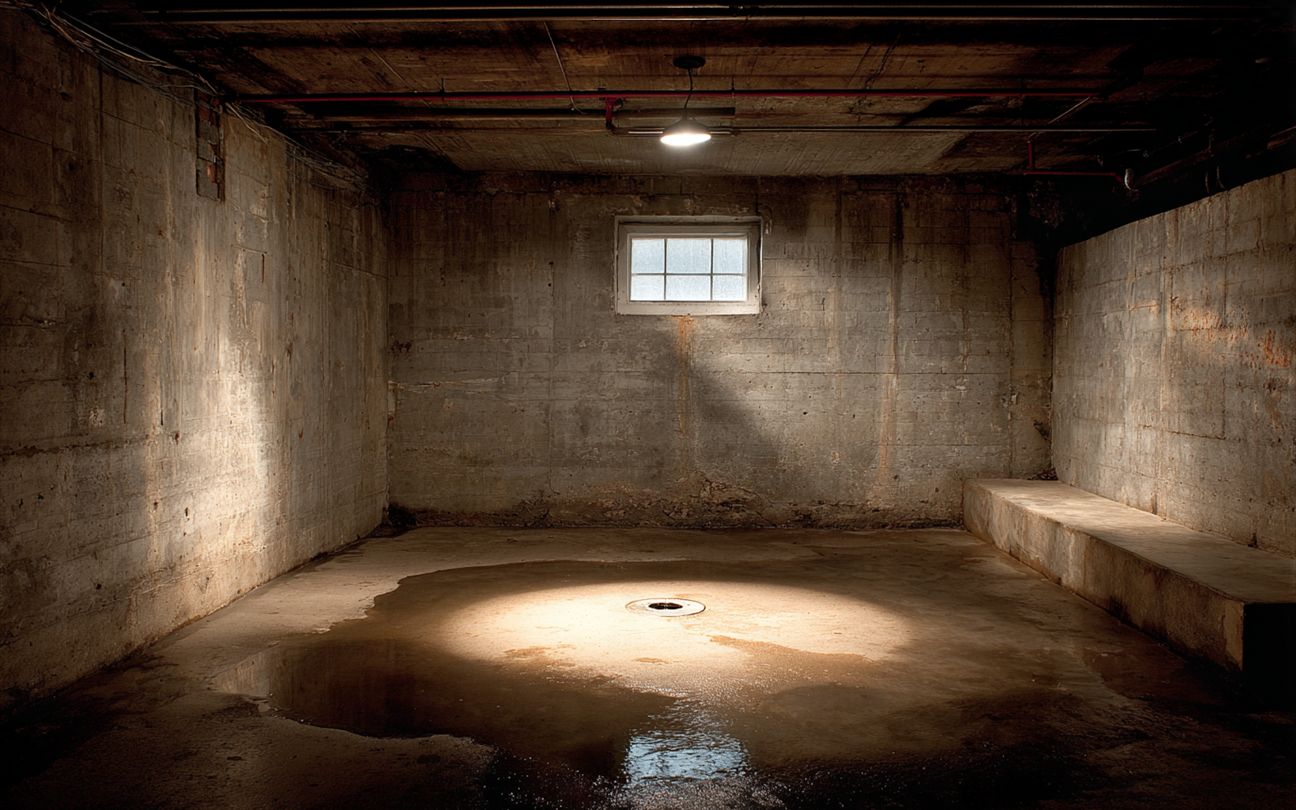
Many shipyard-era basements were never meant to stay dry the way modern ones are. Some have old drains, patched walls and window wells at ground level. In a long wet spell, water seeps in at the base of walls and through cracks. If the basement is finished, the finishes take the damage. More on that: basement water removal.
Remodels Over the Years
Most older houses on the peninsula have been remodeled more than once: a bathroom moved upstairs, a kitchen opened up, a basement finished. Each remodel added new plumbing tied into old, and sometimes buried old lines behind new walls. When a leak shows up somewhere unexpected, a plumbing run from an earlier remodel is a common culprit. Old photos, permits or notes from previous owners can help a company understand what's behind the walls before it opens anything.
Insurance and Older Plumbing
Some policies treat sudden pipe bursts differently from long-term seepage or wear. If your house has older galvanized pipe, ask your agent how the policy handles it, before you need to.
A Note on Lead and Asbestos
Very old houses can contain materials that need careful handling when disturbed. A restoration company should know how to check before cutting into old plaster, flooring or pipe insulation.
Questions
Should I replace all the galvanized pipe after a leak?
Many owners do, because galvanized lines tend to fail one after another. It's a decision for you and whoever does the plumbing work. The restoration company handles the water damage itself.
Can old plaster ceilings be saved after a leak?
Sometimes. If the plaster stayed attached and dries well, it can be patched. If it's sagging or coming loose from the lath, it has to come down for safety.
Why does my basement smell damp even when it isn't leaking?
Older basements often have high humidity from the ground. A persistent damp smell is worth a moisture check, especially after a leak upstairs.
Around Bremerton
Older houses are common in Manette, West Bremerton and downtown Bremerton. When a pipe gives out, see burst pipes and appliance leaks.
Washington L&I: check a contractor's registration

Dry It in Place or Tear It Out?
How the decision gets made, material by material.
What the Moisture Numbers Mean
Reading a drying log without a background in it.